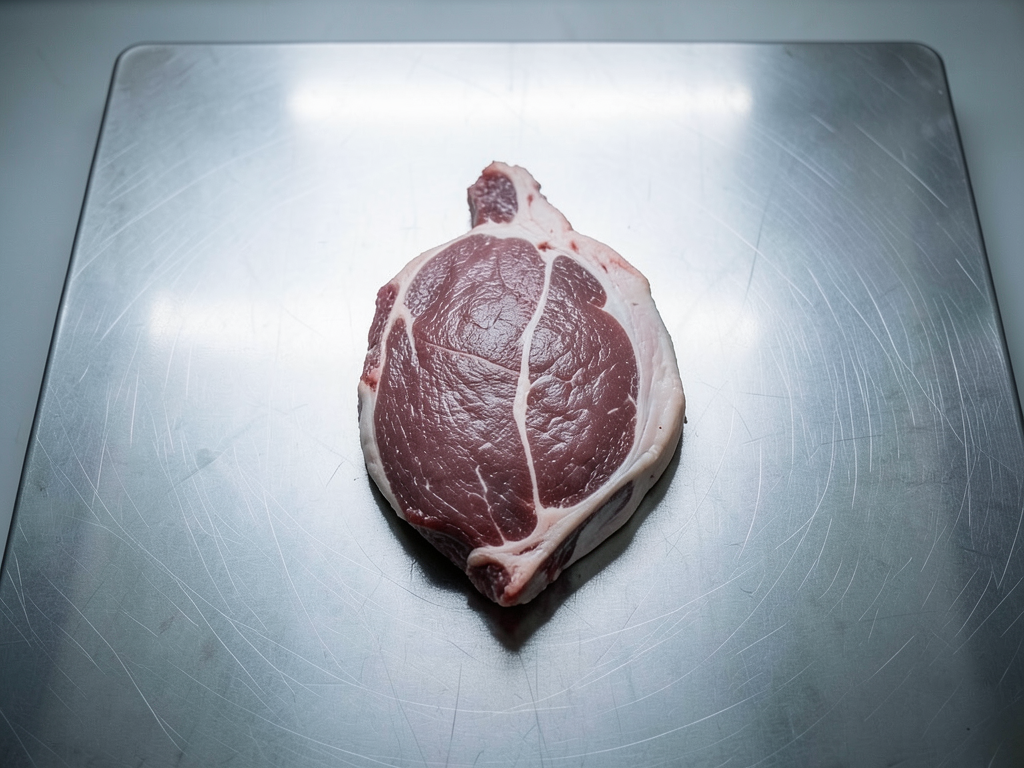
A disturbing discovery in Islamabad has sent shockwaves through the capital as food safety officials uncovered a massive illegal meat operation, seizing 800 kilogrammes of suspected haram meat and rescuing numerous animals from what authorities describe as an unlicensed slaughter facility.
The Islamabad Food Authority conducted the raid Monday evening around 9:30pm at a property in Sector D-14, acting on intelligence that the location was being used for unauthorized meat preparation and storage. What investigators found inside has raised serious questions about food safety and wildlife protection in Pakistan’s federal capital.
Officials discovered 12 live donkeys alongside the carcass of another donkey, five dogs, 17 turtles, and the remains of a jackal and a pangolin. The presence of endangered species like the pangolin has sparked concerns about possible wildlife trafficking networks operating under the cover of illegal meat trade.
The operators of the facility could not produce any documentation authorizing the transportation of animals or the preparation and storage of meat at the premises. Without proper permits or health certifications, authorities immediately ordered the destruction of all 800 kilogrammes of seized meat at the site.
A case was registered at Golra Police Station on November 17 following a detailed report from an Islamabad Food Authority veterinary specialist. The investigation invokes multiple sections of the Islamabad Capital Territory Food Safety Act, 2021, which carries strict penalties for violations involving public health and food safety.
The surviving animals were transferred to wildlife authorities for proper care and protection. Officials are now investigating whether the exotic animals were intended for consumption or illegal trade on the black market.
This latest incident follows a disturbing pattern in the capital. Just over a year ago, authorities busted another suspected donkey meat operation in Islamabad’s Tarnol area, where hundreds of kilogrammes of illegal meat and dozens of live donkeys were recovered from a farmhouse.
That earlier discovery prompted urgent calls from legitimate meat traders for stronger regulatory oversight and improved slaughterhouse facilities to prevent unauthorized meat from entering the market. Despite those warnings, Monday’s raid demonstrates that illegal operations continue to threaten public health and religious dietary standards.
The mixing of haram meat into the food supply chain represents a serious violation of Islamic dietary laws followed by the overwhelming majority of Pakistanis. Donkey meat, dog meat, and meat from improperly slaughtered animals are strictly prohibited for Muslim consumption.
Investigators are working to trace the origin of the seized meat and determine the full scope of the operation. Authorities have not yet disclosed whether the illegal meat had already been distributed to restaurants, butcher shops, or other outlets in the capital.
The discovery of protected wildlife species at the site has added another dimension to the investigation, with officials examining possible links to organized wildlife trafficking networks that operate across Pakistan and the region.
As investigations continue, the incident has reignited public demands for more aggressive enforcement of food safety regulations and stronger penalties for those who endanger public health and violate religious dietary requirements for financial gain.