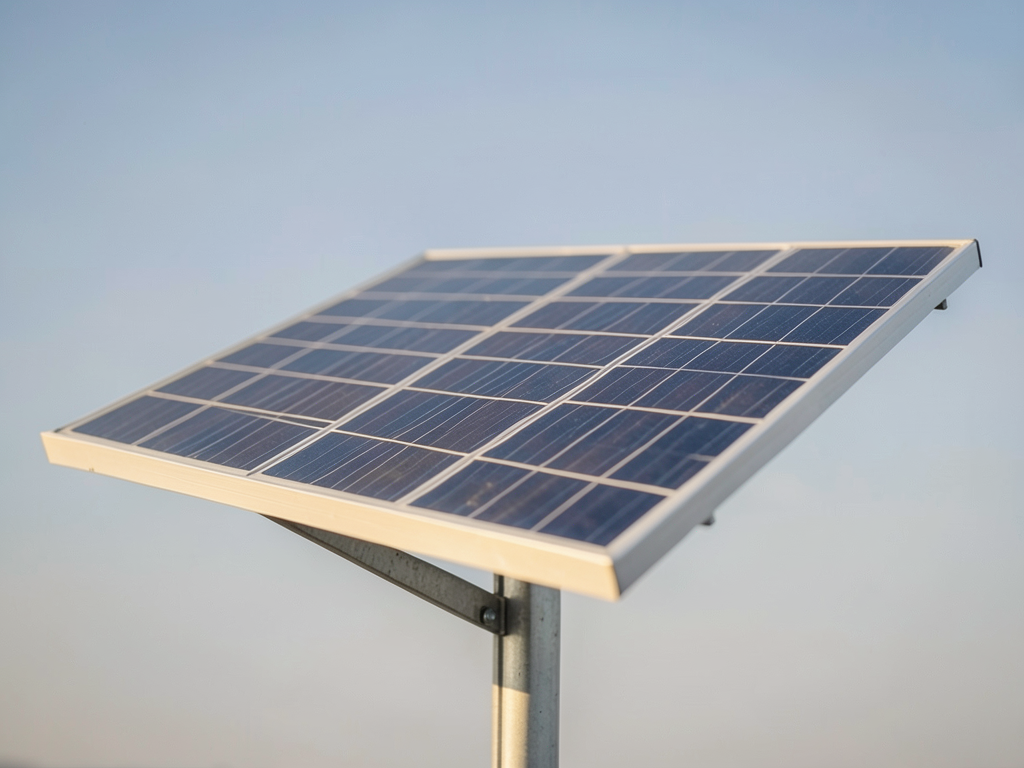
Pakistan’s government is racing to restructure the country’s troubled electricity sector as an unexpected surge in rooftop solar installations threatens to destabilise the national grid and push costs even higher for those who remain connected.
Finance Minister Muhammad Aurangzeb convened a high-level meeting Saturday to advance reforms aimed at attracting private investment, improving efficiency, and reducing electricity tariffs. But discussions revealed a deepening crisis: excess generation capacity, plummeting grid demand, and mounting capacity-payment obligations are creating a dangerous financial spiral.
The core problem is straightforward but severe. Pakistan built substantial power generation capacity over the past decade under agreements that guarantee payments to producers whether electricity is used or not. Now, as thousands of households and businesses switch to solar power and battery storage, fewer consumers are drawing electricity from the grid—but the government still owes billions in capacity payments.
That imbalance is forcing the cost burden onto a shrinking base of grid-connected users, many of whom cannot afford solar alternatives. The result: higher per-unit tariffs that drive more consumers toward solar, further accelerating the cycle.
The Steering Committee on Power Sector Regulatory Regime reviewed proposals from a Technical Working Group covering tariff structures, regulatory certainty, investment incentives, and performance benchmarks. Officials examined ways to adapt Pakistan’s electricity market framework to the country’s rapidly changing energy landscape.
Key reform areas include establishing transparent regulatory rules for distribution network operators and competitive electricity suppliers, strengthening the Multi-Year Tariff framework to reward efficiency improvements, and clarifying responsibilities between the National Electric Power Regulatory Authority and the Competition Commission of Pakistan.
The committee discussed adapting the Competitive Trading Bilateral Contract Market framework to allow greater flexibility for competitive suppliers and better utilisation of existing generation capacity. However, officials acknowledged that any market restructuring would need to address implications for existing power purchase agreements and capacity-payment obligations.
Aurangzeb emphasised that reducing electricity costs, improving service delivery, and ensuring financial sustainability must remain central objectives. He said proposed reforms should create conditions for private investment while protecting consumer interests.
The discussions highlighted a fundamental tension: how to honour existing contractual commitments to power producers while preventing further tariff increases that could make electricity unaffordable for ordinary Pakistanis.
Distribution company privatisation emerged as one potential pathway toward a more competitive market, though details remain under examination.
The government faces pressure to act quickly. Electricity costs have become a major burden on Pakistani households and businesses, undermining economic competitiveness and straining household budgets. Industrial users have particularly complained that high power tariffs make Pakistani manufacturing uncompetitive regionally.
Whether the proposed reforms can break the current cycle—where falling demand drives higher per-unit costs, which in turn drives more consumers off the grid—remains the critical unanswered question as officials work to finalise a comprehensive restructuring plan.